

In today’s digital economy, fast and secure payments are a baseline expectation. Payment gateways have evolved from simple checkout tools to intelligent systems that power global commerce. As technology advances, their role is set to expand even further.
Businesses today can choose from a wide range of payment solutions, including traditional payment processors, specialized industry platforms, and services such as the Paykassma gaming payment gateway, depending on their operational requirements and target markets. This article explores the evolution of payment gateways and highlights the trends shaping their future.
A brief history: from POS to API
The concept of a payment gateway has developed significantly over the past few decades:
- 1994–2000: The early days: The first generation of payment gateways, like Authorize.net and CyberCash, enabled secure online transactions for the first time.
- 2001–2010: Expansion & encryption: With the rise of PayPal and the introduction of PCI DSS compliance, security became a top priority, enhancing the reliability of online payments.
- 2011–2018: The API revolution: Companies like Stripe, Braintree, and Square transformed the industry with developer-friendly APIs, simplifying payment integrations for businesses.
- 2019–2023: Mobile & omnichannel surge: The adoption of digital wallets like Apple Pay and Google Pay, alongside QR-code systems, reshaped the payment landscape. By 2023, over 72% of global transactions involved digital wallets or mobile payments.
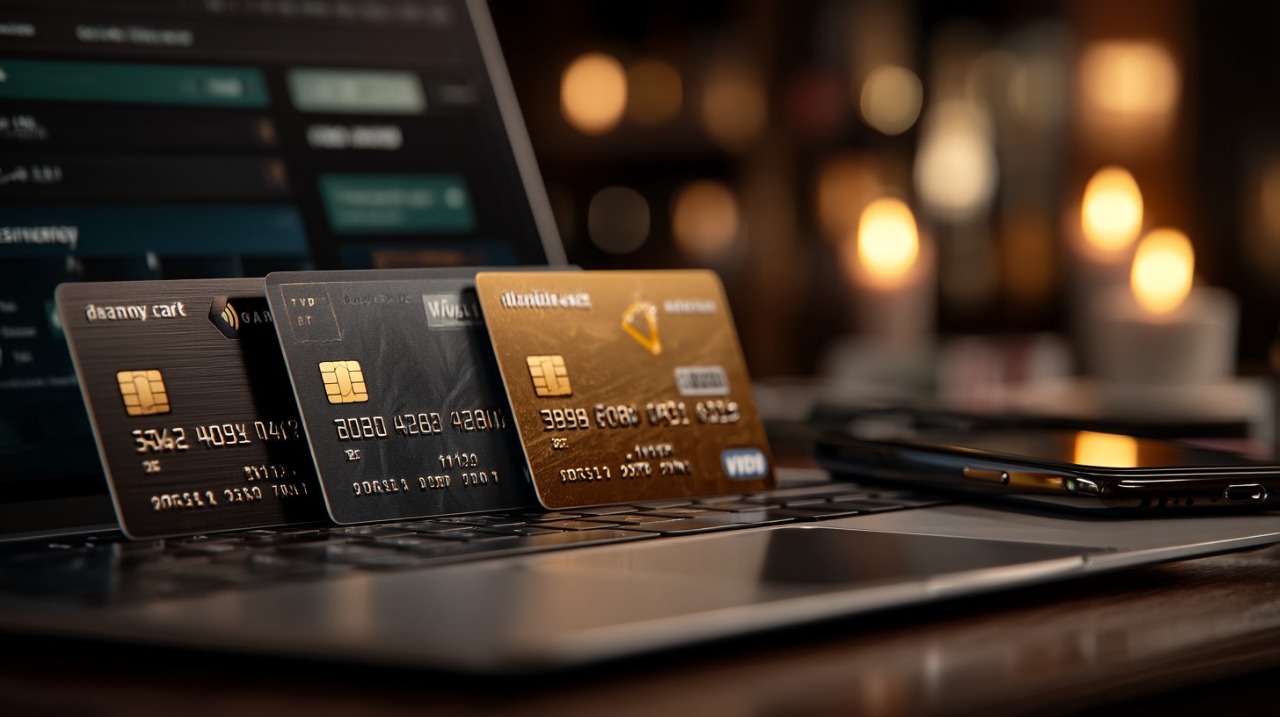
As payment technology continues to evolve, businesses in different regions and industries may compare a wide range of solutions, from general e-commerce gateways and mobile-first payment systems to a payment gateway for gambling in India or other specialized payment infrastructures. The broader trend is clear: payment gateways are becoming more adaptable, localized, and capable of supporting diverse business models.
Today’s landscape: smart, seamless, and borderless
Modern payment gateways are designed to be:
- Faster: Sub-second transaction speeds powered by real-time processing.
- Smarter: AI detects fraud, flags anomalies, and personalizes payment flows.
- Global: Multi-currency and cross-border support are essential.
- Invisible: Embedded finance makes payments a seamless part of everyday experiences.
As Stripe co-founder John Collison notes, “The best user experience is one where payment is almost an afterthought.”
Key players shaping today’s payment gateway landscape:
- Stripe: APIs for startups and enterprises.
- Adyen: A global platform for omnichannel commerce.
- Square: Integrated POS and payment solutions for SMEs.
- Checkout.com: Customizable payments infrastructure.
- Razorpay, Paytm, and PhonePe: Leading digital wallet providers in Asia.
What’s next: 8 trends reshaping payments
The future of payment gateways will be defined by new technologies and improved user experiences. Here are eight trends to watch:
- Real-time payments (RTP): Instant fund transfers are becoming standard, with systems like UPI (India), FedNow (US), and PIX (Brazil) leading the way.
- Decentralized payments & Web3 wallets: Crypto wallets like MetaMask will see greater adoption in e-commerce, with blockchain offering borderless, low-fee transfers.
- Biometric payments: Facial recognition, fingerprint, and iris scanning will replace traditional passwords for faster, more secure transactions.
- Voice-activated payments: Integration with smart assistants like Alexa and Siri will enable voice-controlled transactions.
- Embedded payments everywhere: Payments will be increasingly integrated into CRMs, ERPs, messaging apps, and even vehicles.
- AI-driven fraud prevention: Advanced AI and machine learning will provide real-time fraud detection and contextual authentication.
- Tokenization 2.0: Tokenization will expand beyond credit cards to include identities and subscriptions, enhancing privacy and security.
- Green payments: As sustainability becomes more important to consumers, ESG-focused fintechs will promote carbon-neutral payment systems.
Implications for businesses
For startups:
- Prioritize global-ready payment gateways with easy developer integration.
- Offer diverse payment methods that appeal to younger generations.
For enterprises:
- Focus on composable payment infrastructure to adapt to changing demands.
- Enhance omnichannel experiences through seamless backend integration.
For consumers:
- Expect personalized, secure, and frictionless payment journeys that integrate loyalty and finance.
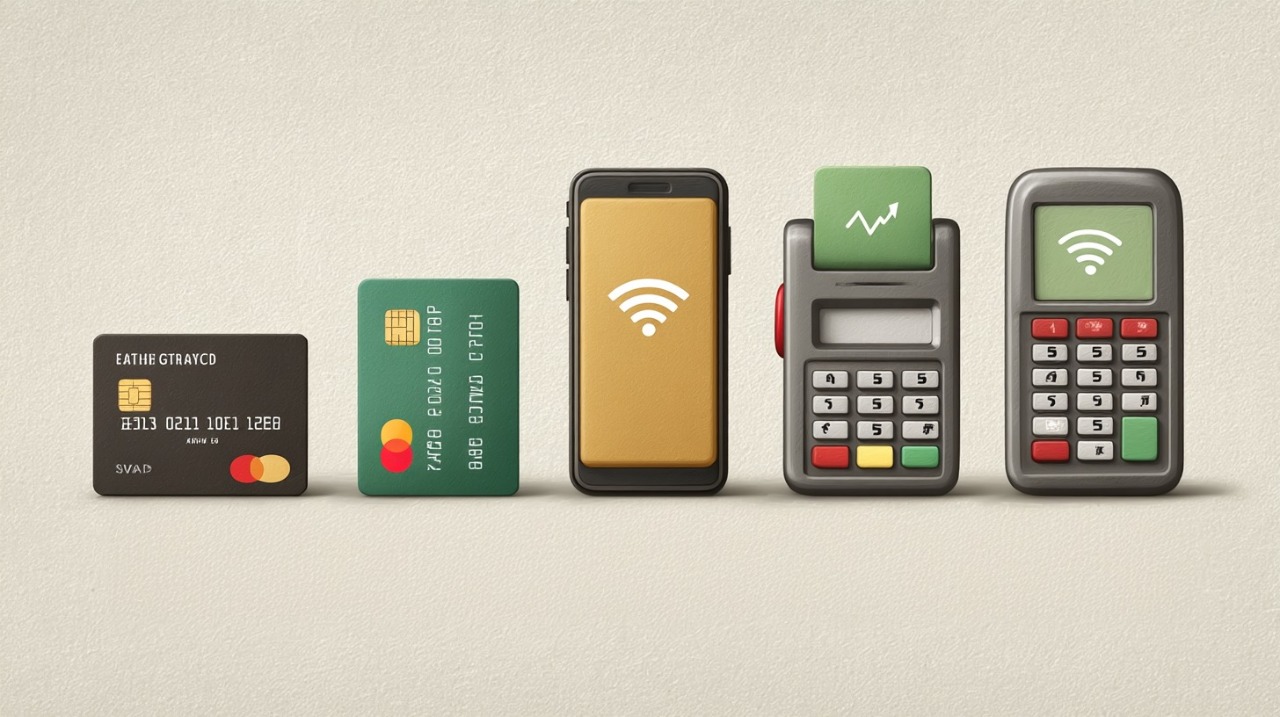
The big shift: from processors to experience enablers
Payment gateways are no longer just for processing transactions. They now act as key enablers of the customer experience by:
- Boosting conversion rates through optimized checkouts.
- Reducing fraud with real-time intelligence.
- Supporting new business models like subscriptions and BNPL (Buy Now, Pay Later).
Businesses now see payments as an essential part of their platform’s experience, integrating finance as a service into their offerings.